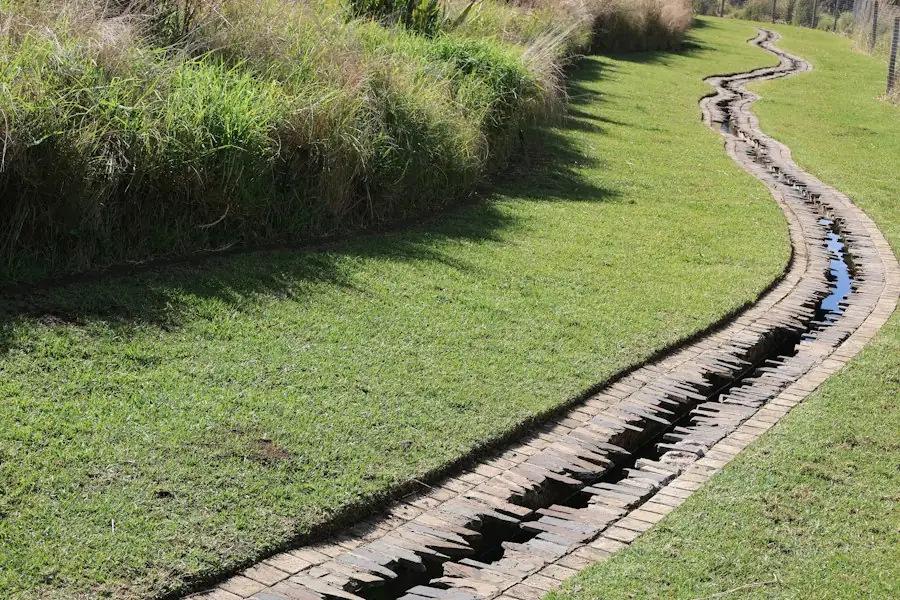
01Sloped yards
Level Out a Sloped Yard
A steep grade is hard to mow and even harder to use. A retaining wall breaks the slope into flat, stable terraces, so ground you could only look at becomes ground you can walk on, plant and sit out on.

Retaining wall installation for sloped yards, washouts and uneven lots in Plano, Collin County and Denton County. The Pro Landscaping in-house crew designs and builds each wall on a compacted base, with gravel backfill and a perforated drain pipe behind it, so the soil stays put and water has a way out.
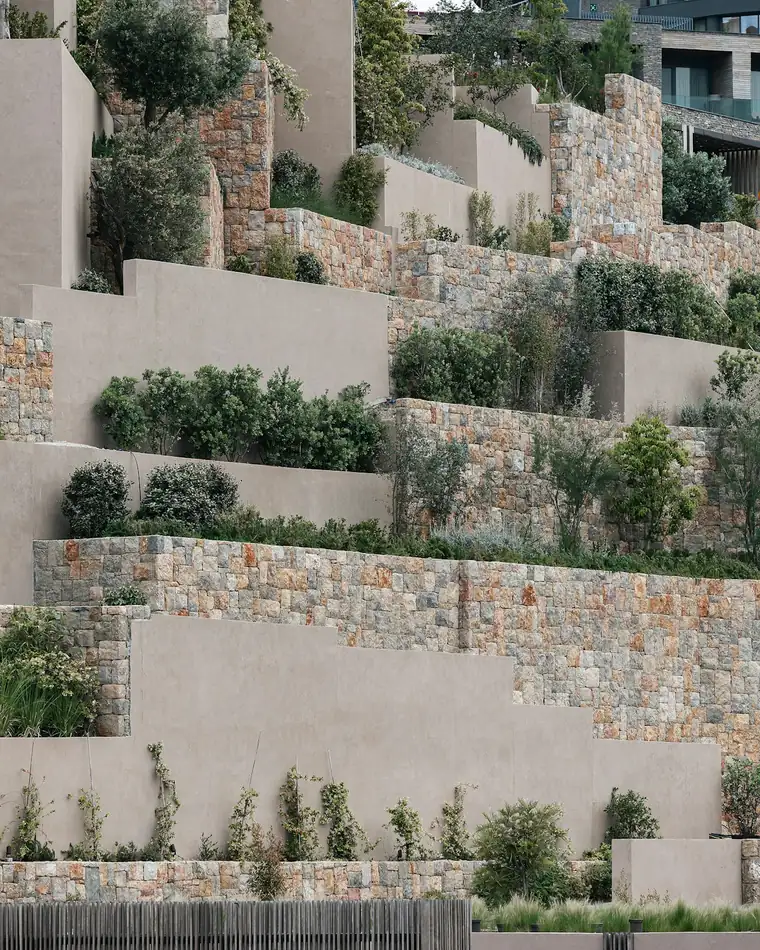
Multi-level
terraced to fit your gradeA retaining wall holds soil back. The bigger payoff is the flat, usable ground you get above and below it.
01Sloped yardsA steep grade is hard to mow and even harder to use. A retaining wall breaks the slope into flat, stable terraces, so ground you could only look at becomes ground you can walk on, plant and sit out on.
 02More usable space
Once the grade is level, there's room for the things a sloped yard can't hold: a flat lawn, a patio, a garden bed or a seating wall along the edge of a terrace. You get to use more of the yard you already own.
 03Clean structure
A good garden wall also gives the yard shape. It can define planting beds, frame a patio or mark where one part of the yard ends and the next begins. The whole landscape ends up looking planned.
Some walls just need to hold a grade. Others are part of how the yard looks. We'll build the type that fits your slope, your soil and how you plan to use the space.
 01
Natural stone retaining walls set by hand to hold grade, define beds and give the yard clean edges.
 02
Concrete block walls for taller grades and heavier loads. Taller walls may need engineering and a permit, and we check that before we build.
 03
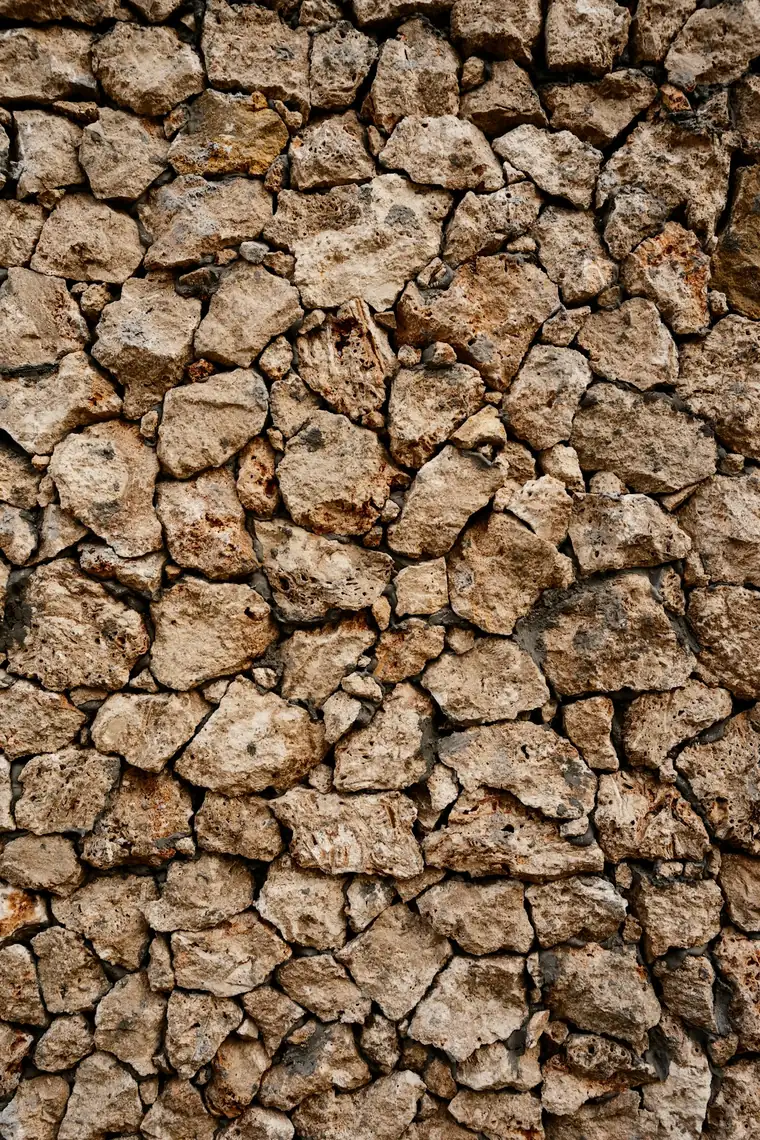
Chopped Texas limestone with a warm, dressed face. People pick it as much for how it looks as for what it holds back.
 04
Interlocking segmental block built in stacked tiers, so one steep slope becomes several level areas you can use.
 05
Boulder and stone garden walls that hold raised beds, keep soil and mulch in place and lift plants up where you can see them.
 06
Low seating walls that hold a little grade and double as a bench around a patio, fire pit or gathering spot.
Where the wall goes changes how we design it. Here's how we handle the spots homeowners ask us about most.
A hill you can't use is wasted yard. Terracing turns a steep, mow-only slope into flat levels you'll actually spend time on.
Base, backfill & drain pipeA garden wall holds raised beds in place, keeps soil and mulch from washing out and makes the beds easier to keep up.
Base, backfill & drain pipeOn a steeper lot, a few stacked walls turn one long slope into separate levels for lawn, garden and patio, instead of squeezing everything onto the flat part of the yard.
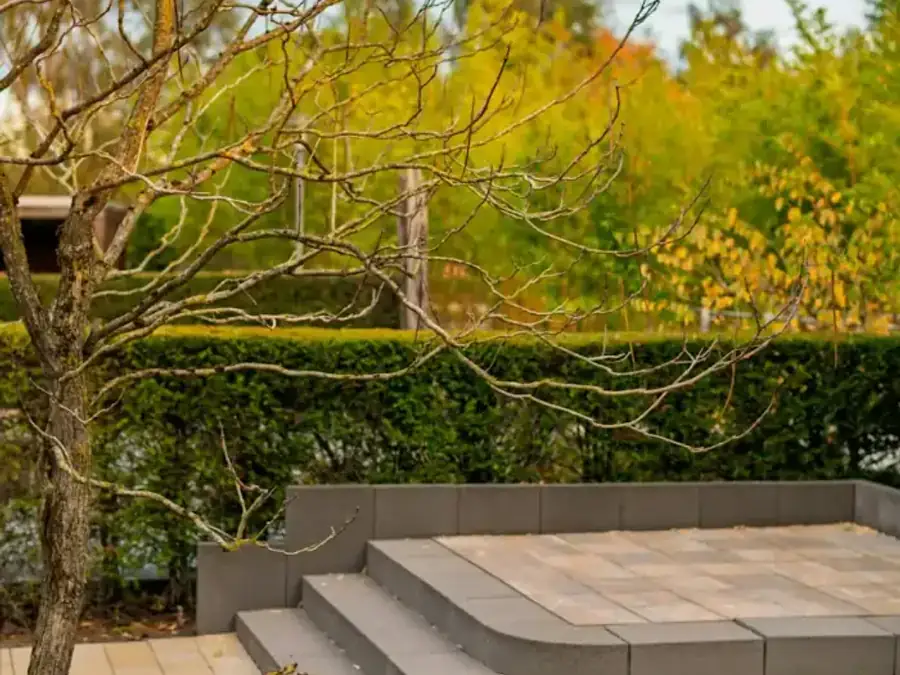
Base, backfill & drain pipeA retaining wall can level the ground under a patio, or frame it with a raised planter or a seating wall along one side.
Base, backfill & drain pipeWhen a grade change sits near a property line or between parts of the yard, a retaining wall gives it a clean, solid edge.
Base, backfill & drain pipe
Not every yard needs the same wall. Most projects start from one of these three, from a single wall that fixes a slope to a fully terraced backyard.
One wall built to fix a specific slope, erosion or grade problem. It gets a compacted base and drainage behind it, with no extras you don't need.
A wall planned as part of the landscape. It can shape garden beds, frame a patio or give a working wall a finished stone face.
A set of tiered walls for a steeper lot, turning one long slope into several connected levels.
A lot of yards in Collin and Denton County sit on heavy clay that holds water. That's why Pro Landscaping plans drainage behind the wall on every job, so water drains out instead of pushing on it.
Clay soil holds water, and trapped water pushes on a wall. We put a compacted base, gravel backfill and a perforated drain pipe behind every wall we build.
Taller walls may need engineering and a permit. We check what your wall needs before any digging starts. We're licensed, bonded and insured.
After a free on-site assessment, you get 2D or 3D design plans and a written, fixed-price proposal, so you can see the wall before we build it.
Our Plano-based team handles your wall from design through installation. We've been building for homeowners in Collin and Denton County for 15+ years.
A wall is only as good as what's under and behind it. Here's how Pro Landscaping builds ours, from the first visit to the final walkthrough.
We walk your yard, look at the slope and talk about how you want to use the space, along with materials, height and layout.
We look at where water runs across your property. With clay soil, drainage behind the wall matters as much as the stone or block you pick.
You get a 2D or 3D design plan showing tiers, materials and drainage, plus a written, fixed-price proposal. If the wall needs engineering or a permit, we check that here.
We dig out the footing, then lay and compact the base the wall sits on. Nobody sees this part once it's done, but the wall depends on it.
Our crew sets and levels each course, adds gravel backfill as the wall goes up and lays a perforated drain pipe at the base so water can get out.
We cap the wall, grade the soil around it and clean up. Then we walk the finished wall with you before we call the job done.
We quote every wall after we've seen your yard. These three project sizes are just a place to start the conversation.
Best for: Homeowners fixing one slope, erosion or grade problem
Best for: Families turning a grade change into usable outdoor space
Best for: Steep lots where the whole backyard needs leveling
Loved by local homeowners
“They turned our unusable sloped yard into three level, beautiful terraces. The limestone wall is stunning and our erosion problems are completely gone.”
Thomas G.
“Engineered perfectly — the block wall handled record rains without a single crack and the integrated drainage works flawlessly. True professionals.”
Rachel D.
“Our boulder retaining wall looks completely natural and has held the hillside solid for years. The crew was knowledgeable, clean and right on schedule.”
Steven & Maria V.
Common Questions
Yes. Water building up behind a wall is the main reason walls lean and fail. We install gravel backfill and a perforated drain pipe behind every retaining wall, which matters even more in North Texas clay that holds water.
Tell Pro Landscaping about the slope, the washout or the level yard you want. We'll come out for a free on-site assessment and send you a written, fixed-price proposal.